Bringing a production team into Miami can look simple from a distance. The city has experienced crew, strong locations, and plenty of production resources. But once the shoot is real, traffic, parking, permits, weather, sound, access, load-in, and timing can decide whether the day stays controlled.
That is why hiring the right local crew is not just about filling positions. It is about having people who understand the Miami production market and can help prevent problems before the shoot day starts.
Availability is only part of the decision. A good Miami crew should know what questions to ask before shoot day, what local details can affect the schedule, and when a plan that looks fine on paper may become difficult on set.
This guide explains what out-of-town teams should know before hiring a Miami crew, including what to ask, what to avoid, and how to choose local production support that fits the real needs of the job.
Crew for out-of-town production teams, Miami can look simple from the outside. The city has strong visuals, great locations, experienced crew, and plenty of production resources. But once you are on the ground, the small details matter: traffic, permits, parking, weather, beach access, bilingual communication, gear rentals, and location rules.
That is where a local Miami production crew becomes valuable.
A good crew does more than show up with cameras, lights, or audio gear. They help you avoid problems before they slow down the day. They know when a schedule is too tight. They know which areas need extra planning. They understand how Miami shoots actually work.
This guide explains what out-of-town teams should know before hiring a Miami crew, including what to ask, what to avoid, and how to choose local production support that protects your schedule, budget, and client experience.
Why Out-of-Town Teams Hire a Miami Crew
At n2 Productions, we have supported visiting teams, agencies, and producers coming into Miami for interviews, corporate shoots, healthcare productions, commercial work, teleprompter setups, green screen shoots, and multi-location production days. Sometimes the need is simply crew and gear. Other times, the value is having a local producer who can help connect the plan to what will actually happen on the ground.
Out-of-town production teams usually hire a Miami crew because it keeps the shoot more practical. Flying in every person can work for large productions, but it often adds cost, time, and extra coordination that may not improve the final result.

A smarter approach is to bring the key creative leads and hire trusted local production support in Miami.
For example, a visiting team may bring the director, producer, agency lead, or client team, then hire local support for camera, lighting, audio, grip, production assistants, or location help. This can reduce flights, hotels, per diem, gear transport, and travel days.
But cost is only part of the reason.
The bigger value is local judgment. A good Miami production crew knows which questions to ask before shoot day. They understand when parking may slow down load-in, when traffic may affect a company move, when a location may be noisy, and when a setup may need more crew or more time than the schedule allows.
That kind of experience can save the day before the day even starts.
A local crew can also help during pre-production. They can review the schedule, flag location problems, suggest realistic timing, connect you with local vendors, and help source gear. This is especially useful when the out-of-town team is planning from another city and relying on maps, photos, and emails.
Here is the simple difference:
| What You Need | Why a Miami Crew Helps |
| Lower travel costs | Fewer flights, hotels, per diems, and gear shipping needs |
| Local logistics | Better planning around traffic, parking, access, and timing |
| Weather awareness | Smarter backup plans for rain, heat, humidity, and wind |
| Gear support | Easier access to local rentals and replacement options |
| Crew reliability | People who know the pace and pressure of Miami production |
Hiring a Miami crew is not just about convenience. It is about making the day practical. The right crew asks about load-in, parking, power, sound, lighting control, weather, and how much time is actually available before talent or clients arrive.
What Makes Miami Different for Production Teams
Miami is a strong production city, but it has its own rules of the road. Out-of-town production teams should not treat it like a plug-and-play location. The city can be efficient when the plan is solid. It can also become expensive when small details are ignored.
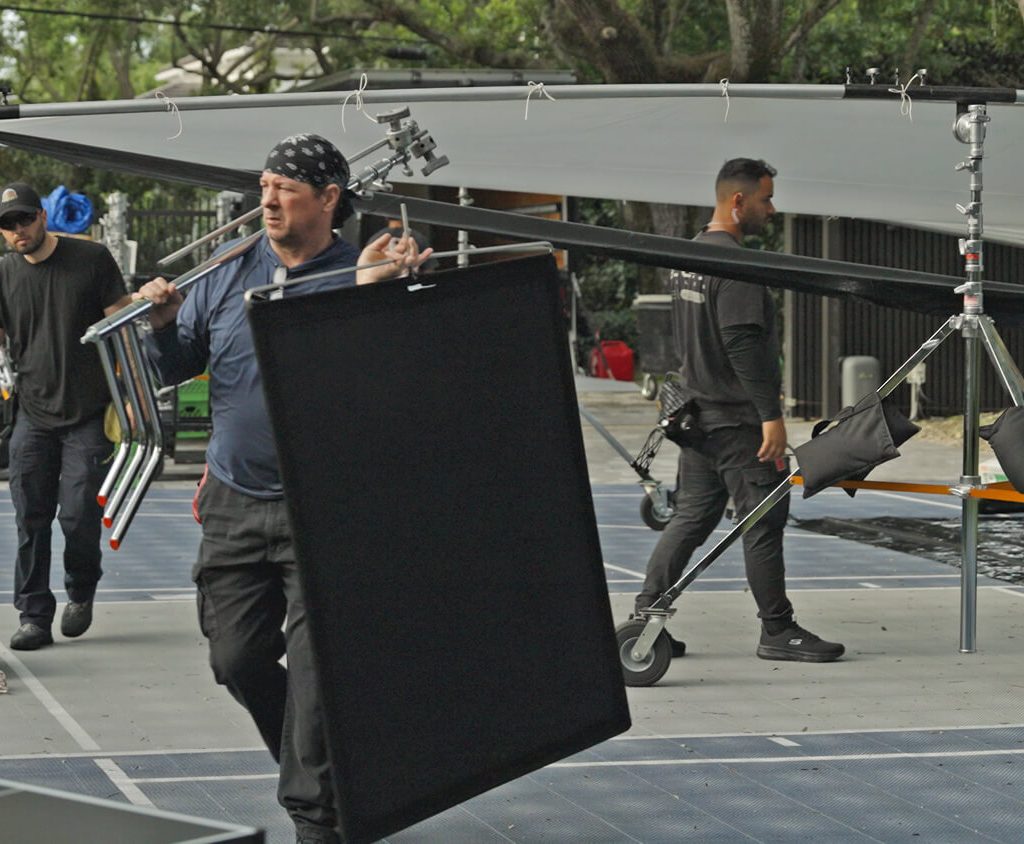
The first thing to understand is distance. Miami Beach, Wynwood, Brickell, Downtown Miami, Coral Gables, Coconut Grove, and Fort Lauderdale are not the same production area. A move that looks short on a map can still affect the day if it crosses heavy traffic, beach access, downtown parking, or a venue with complicated load-in.
A company move is not just drive time. The crew has to pack gear, load vehicles, move through traffic, park, unload, and reset. That is why a local Miami crew may push for more buffer time between locations, especially when talent or clients are waiting on the next setup.
Weather is another major factor, but that does not mean Miami is a difficult place to shoot. It means exterior work needs a real plan. In Miami, an exterior setup can feel manageable at 9:00 a.m. and become a problem by lunch if no one has planned for heat, shade, wind, rain cover, water, and sound.
Beach shoots add another layer. Sand, wind, harsh sun, crowds, and ocean noise can all affect the setup. None of that is unusual. It just needs to be planned before the crew is already standing there with gear open.
Permits also need attention. A shoot in the City of Miami is not the same as a shoot in Miami Beach or another municipality. Public property often requires permits, and some private locations may still have building rules, insurance requirements, or access restrictions.
Bilingual support can also matter. Miami productions often involve English and Spanish communication with talent, clients, location contacts, residents, or vendors. A bilingual crew member can save time and avoid confusion.
Miami is a strong production market with good crew, good locations, and plenty of resources. For visiting teams, the key is having local support that knows which small details can affect the day.
What to Look for Before Hiring a Miami Crew
Before hiring a Miami crew, look beyond the gear list.
Cameras, lights, audio kits, and grip equipment matter. But they do not tell you how someone works under pressure. They do not tell you if the crew will show up prepared, communicate clearly, or handle a problem without making the client nervous.
For out-of-town production teams, local experience is one of the most important things to check. Ask if the crew has worked with visiting agencies, brands, production companies, or corporate teams before. A crew that understands client-facing production will usually be better at managing pace, expectations, and set etiquette.
Communication is another major signal. A strong Miami production crew will ask questions before giving a final answer. They may ask about locations, schedule, permits, parking, access, gear needs, final deliverables, talent, client arrival times, and who will be on set. That is a good thing. It means they are thinking through the day instead of just saying yes.
Be careful with crews that say yes to everything too quickly. A fast answer can feel convenient, but on a Miami shoot, the better crew may be the one asking about parking, access, sound, power, company moves, client arrival times, weather plans, and whether the schedule is realistic.
You should also look for calm set presence. Production problems happen. A location may be noisy. Rain may slow an exterior setup. A client may request an extra shot. The right crew stays steady, gives practical options, and keeps the set moving without turning every issue into a larger problem.
Pricing should also be clear. Before confirming the crew, ask what is included and what is separate. Confirm:
- Crew roles and day rates
- Gear included in the quote
- Rental needs
- Overtime terms
- Parking or travel costs
- Insurance requirements
- Media handoff process
- Cancellation or weather policies
The cheapest Miami crew is not always the best value. A low rate can become expensive if the crew is underprepared, missing equipment, unclear about overtime, or unable to handle the real needs of the shoot.
Hire for judgment, communication, and reliability. The gear matters, but the people carrying the gear matter more.
Key Questions to Ask a Miami Production Crew
Before you hire a Miami production crew, ask questions that reveal how they think through the day. The goal is not to make the process complicated. The goal is to find out whether the crew understands the real needs of the shoot.
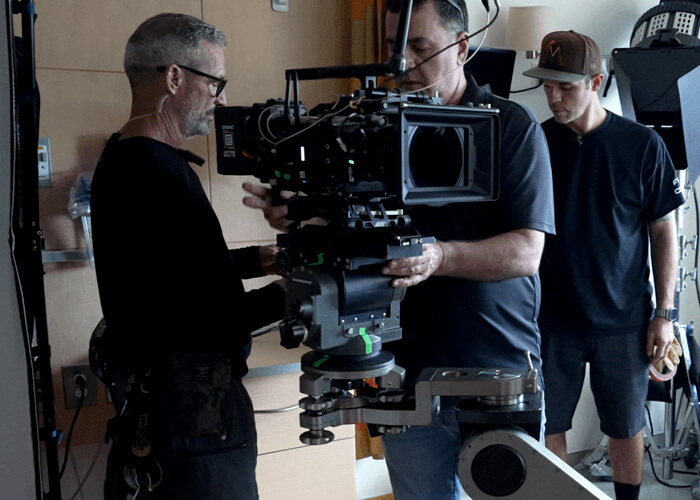
Use these questions as a practical checklist:
- Have you worked at this type of location before?
- How would you handle load-in and parking?
- What crew size does this schedule actually require?
- Do we need a local producer, or just individual crew members?
- Is the lighting package realistic for the location and time available?
- Are there sound issues we should know about?
- What happens if weather changes the plan?
- Can you support bilingual talent, clients, or crew communication if needed?
- Do you see anything in the schedule that could become a problem?
- What gear is included, and what needs to be rented separately?
- Who will actually be on set?
- How is overtime handled?
- Who manages media handoff?
The answers matter. If the crew gives specific, practical responses, that is usually a good sign. If the answers are vague, rushed, or too casual, be careful. Production problems often start with unclear conversations before the shoot.
Common Mistakes Out-of-Town Teams Make in Miami
One of the biggest mistakes out-of-town teams make is waiting too long to book crew. Good Miami crew members are often busy, especially during active production seasons. If you wait until the last minute, you may still find people, but you may not get the right people.
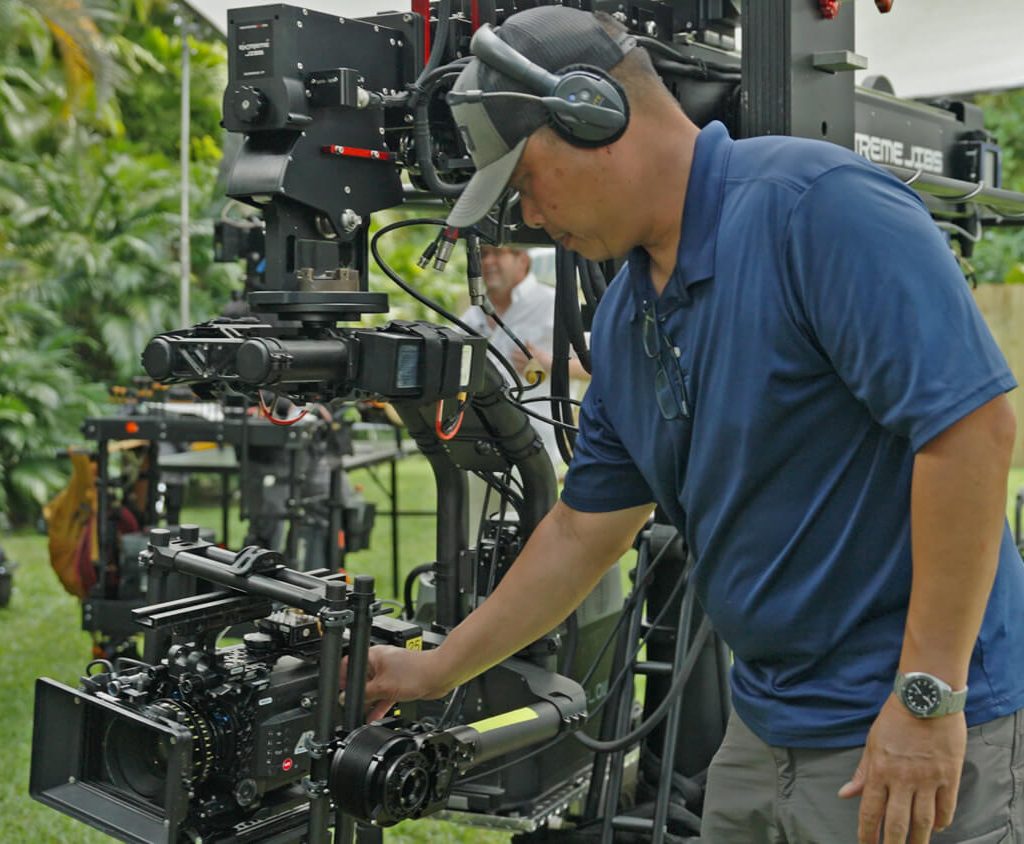
Another mistake is underestimating traffic and company moves. A short drive on a map does not always mean a short move on a shoot day. If the move crosses beach access, downtown parking, heavy traffic, or a venue with difficult load-in, the schedule can tighten quickly. Too many locations can weaken the final piece because the crew spends more time moving than shooting.
Permits are another common issue. Visiting teams sometimes assume one permit covers everything, but Miami-area locations can fall under different rules. A shoot in Miami Beach may not follow the same process as a shoot in the City of Miami, and public property often needs extra approval. Always confirm this early.
Teams also get into trouble when they hire based only on price. A lower day rate can look good on a budget sheet, but it may not include the right gear, enough crew, overtime, parking, rentals, or prep time. Cheap can become expensive once the day starts slipping.
The last major mistake is not sharing enough information upfront. A Miami crew cannot prepare well if they only receive a call time and address.
Share the important details early:
- Creative brief
- Shot list
- Schedule
- Locations
- Crew roles needed
- Gear needs
- Final deliverables
- Client expectations
- Permit status
- Parking and load-in notes
The more context the crew has, the more useful their input becomes. Good production is rarely saved by luck. It is usually helped by clear planning before anyone arrives on set.
When to Hire a Full-Service Miami Production Company
Sometimes you only need a few local crew members. Other times, you need a Miami production company that can help manage the whole job.
Individual crew members may be enough for simple shoots, such as:
- One-person interviews
- Small b-roll days
- Documentary-style coverage
- Simple corporate videos
- Shoots where the plan is already locked
In those cases, you may only need a DP, camera operator, audio mixer, gaffer, assistant camera, or production assistant. If your team already has the schedule, locations, permits, and creative direction handled, hiring individual Miami crew members can be practical.
But for more complex shoots, full production support is usually smarter.
A full-service Miami production company can help when the shoot involves:
- Multiple locations
- Commercial production
- Agency or client-facing work
- Permit-heavy locations
- Gear-heavy setups
- Talent coordination
- Local vendors
- Location scouting
- Tight schedules
- Weather backup planning
The difference is responsibility.
An individual crew member is usually hired to handle a specific role. A production company can help carry the larger production load. That may include building the local crew, coordinating rentals, reviewing the schedule, helping with permits, managing vendors, and keeping the shoot organized on the ground.
For out-of-town production teams, this is useful when there is no local producer already in place. It gives the visiting team someone in Miami who can look at the schedule, locations, access, crew, rentals, and timing together instead of treating each piece as separate.
The decision is simple: if the shoot is small and already organized, hire the roles you need. If the shoot has moving parts, client pressure, location risk, gear needs, or several vendors to coordinate, consider hiring a Miami production company instead of only booking individual crew.
Hire for Local Judgment, Not Just Availability
Out-of-town production teams do not need to know every detail about filming in Miami. But they do need a Miami crew that knows what to check before the day starts.
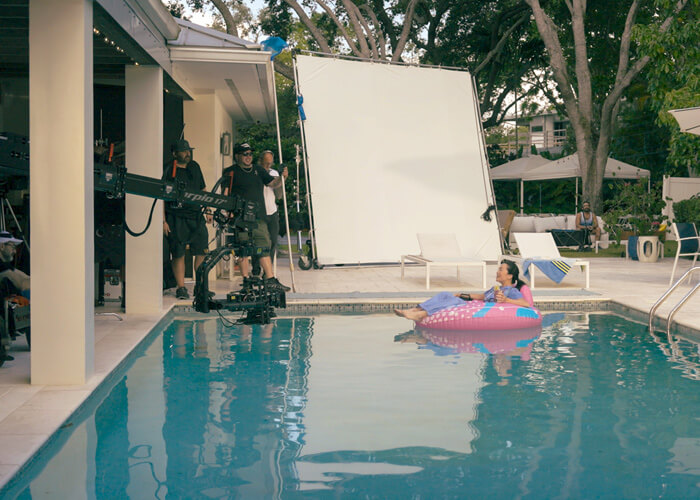
Availability is only part of the decision. A crew may be free on your shoot date, but that does not mean they are the right fit. Look for people who ask smart questions, communicate clearly, and understand how traffic, weather, permits, parking, access, sound, gear, and timing can affect the actual day.
Miami is a strong production market with experienced crew, strong locations, and plenty of resources. But like any production city, it works best when the team is prepared and the local support understands what the job really needs.
Good local crew does not just show up. Good local crew helps keep the production steady before the first case is opened, the first light is set, or the first client walks onto location.
If your team is planning a Miami shoot and needs local crew, gear, teleprompter, grip support, or production coordination, send us the scope, schedule, and locations. We can help you think through what kind of Miami support actually makes sense.