A commercial can look straightforward on the page and still need careful production planning. The doctor may have a short break between patients. A location may look right but be difficult to record dialogue in. The Spanish performance may need more time than the English one.
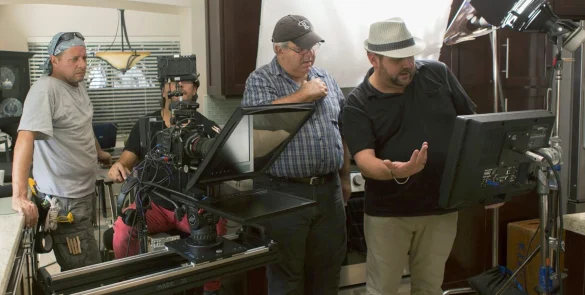
Those are specific questions we can work through before filming. Your agency or marketing team supplies the approved concept and script. My job is to work out how to shoot it, direct the performances and give the editor what the finished piece needs. These are six decisions I pay attention to.
1. Build the day around limited access to the person on camera
If an executive or physician is available for an hour, I want that hour for recording. Lighting tests, camera matching, microphone checks and discussions about the background should happen before they arrive, wherever access allows.
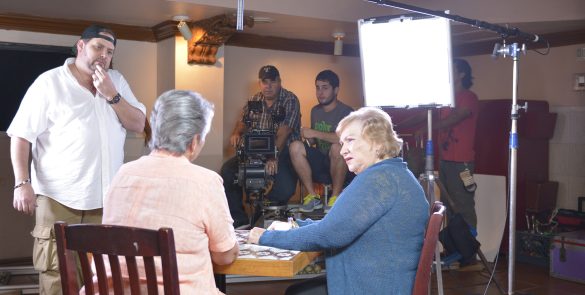
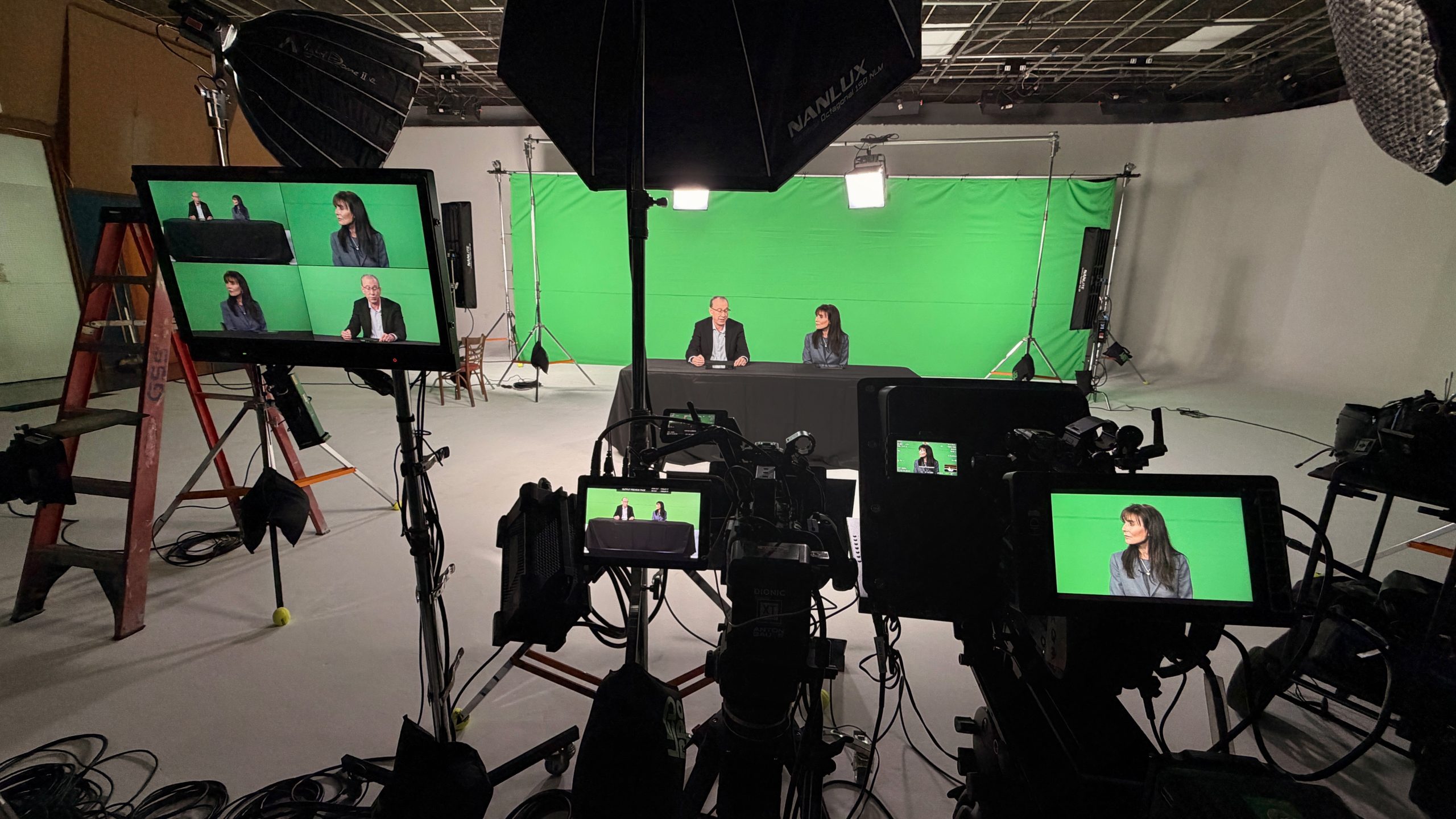
We have brought cameras, lighting, sound and a background to doctors rather than asking them to travel to a studio. That puts the setup work on us and reduces the time we need from them. It still requires a suitable room and enough time to prepare it.
I separate crew access from the speaker’s arrival when planning the schedule. If we only get the room when the speaker arrives, setup has to come out of that window. Knowing this in advance lets us choose a simpler arrangement or ask for earlier access.
Then we put the essential material first. Additional angles and optional lines follow once we have what the approved piece depends on. If the plan cannot fit the available time, I flag it before we book the day.
2. Check the location for sound as well as pictures
A room can look good in a photograph and sound wrong for an interview. Air conditioning, a refrigerator, activity next door or deliveries outside can compete with the voice we need to record. I want to know about those conditions when choosing the room.
The sound mixer can assess microphone placement and the noise that needs attention. We may be able to change the camera position, use a quieter room or schedule the recording around activity nearby. If equipment needs to be switched off, that has to be agreed with the location contact and restored afterward.
I would not promise that post-production can remove whatever we record. Cleaning up a steady background hum is a different problem from another person’s voice over the answer. We need to hear the actual room, preferably under conditions similar to the shoot.
For a working office or medical location, that conversation also establishes which areas can stay active while we film. A quieter setup elsewhere in the building may serve the scene just as well.
3. Give people direction they can use
An actor and a physician explaining a procedure need different direction. An actor may need an adjustment to intention, pace or physical action. A physician may need space to finish a thought, then another pass that explains it more clearly to someone outside the profession.
“Do it again” gives someone little to work with. If a line is rushed, I can ask for a pause before the important phrase. If an action feels awkward, we can adjust the blocking. A specific note gives the next take a purpose.
For a scripted commercial, we work within the approved copy. If a sentence is difficult to say or will not fit the running time, I flag it to the agency or client for a decision. Scriptwriting and copy approval stay with their team.
For an interview, we agree who is asking the questions. I can direct the setup and support the performance without becoming the interviewer. On a 30-minute broadcast special for a children’s hospital, the host and journalism team handled the interviews. We supported family conversations, physician interviews and hosted studio segments with the appropriate pictures and sound.
4. Time the English and Spanish performances separately
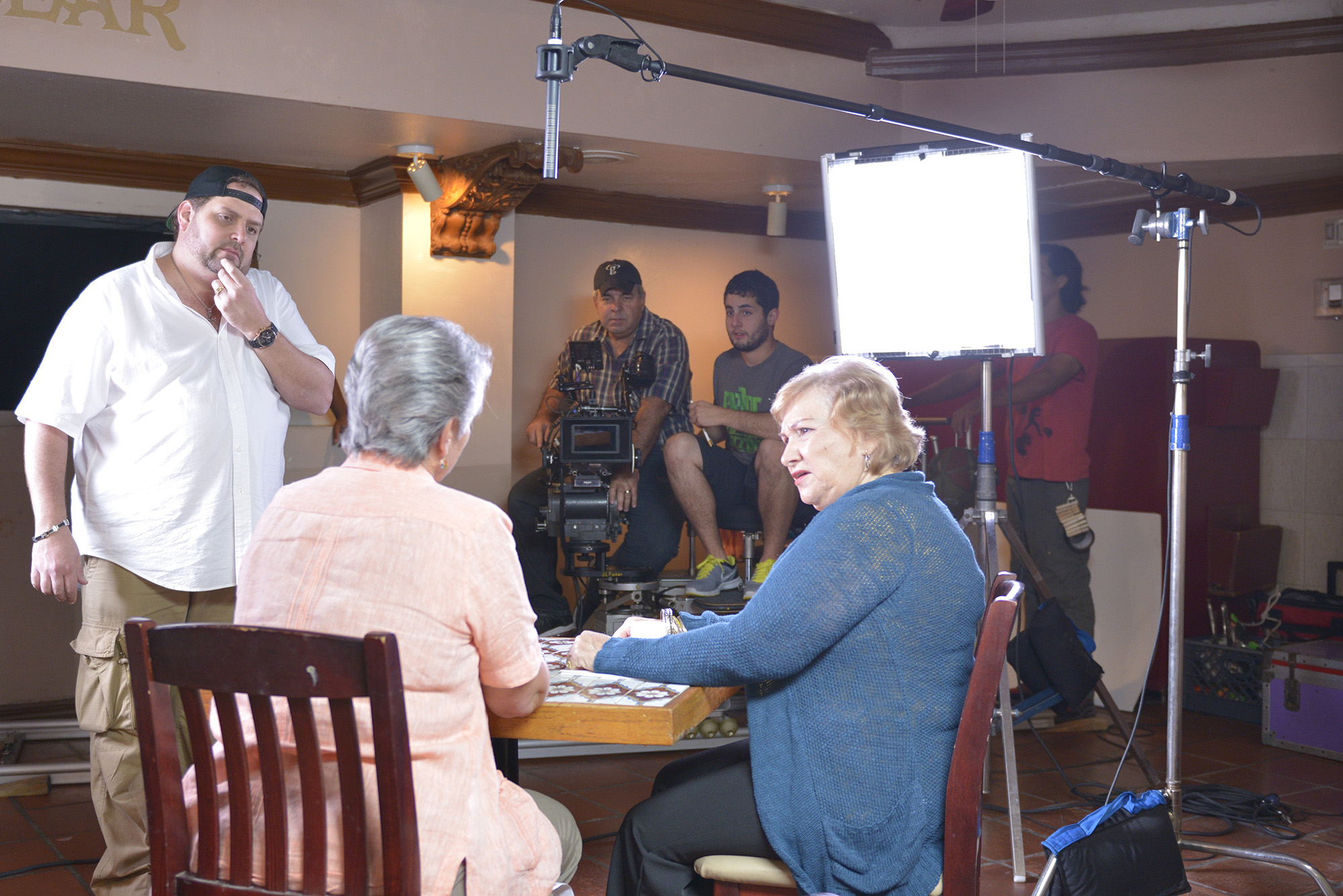
I direct in English and Spanish. A translation can carry the same meaning while taking a different amount of time to say. The emphasis may fall in a different place, too.
For a bilingual spot, I want both approved scripts before the shoot and a spoken read of each against its intended duration. Reading silently is a poor way to judge whether a person can deliver the line naturally. We also need room for the actions, pauses, graphics and ending required by the piece.
If one version is too long, the agency or client needs to approve an adjustment. Asking the performer to speak faster is not always a good answer.
We schedule the languages as separate performances, even when the camera and lighting setup remain the same. That gives us time to work on delivery in each language. Our English and Spanish commercial production can be planned around the approved versions together.
5. Plan shorter and vertical versions before filming
A 15-second cut needs to make sense on its own. It may use material from the longer commercial, but there must be enough time for its message and ending. Before filming, I want to know which line or action carries that shorter version and whether it needs an approved alternate take.
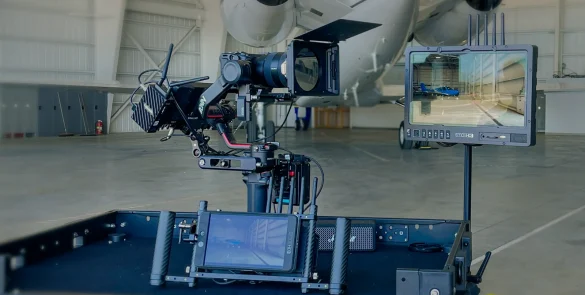
The same applies to vertical framing. A wide shot with two people at opposite sides of the frame may not work when the sides are removed. We can check the intended crop on the monitor, adjust the blocking or shoot a separate composition. The right choice depends on the scene.
That does not mean filming every shot several ways. It means identifying the shots that need another treatment and allowing time for them.
Send the required durations, languages and frame shapes with the brief. If a new version is added after filming, we can assess what the footage supports. We may need another edit, different graphics or material we did not shoot; it is better to know that while the crew and talent are together.
6. Shoot supporting footage the editor can actually use
A strong interview does not answer every visual question. If someone describes a treatment, a product or a process, what will the viewer see while they hear that explanation?
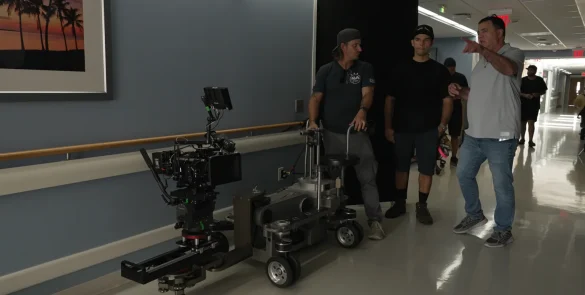
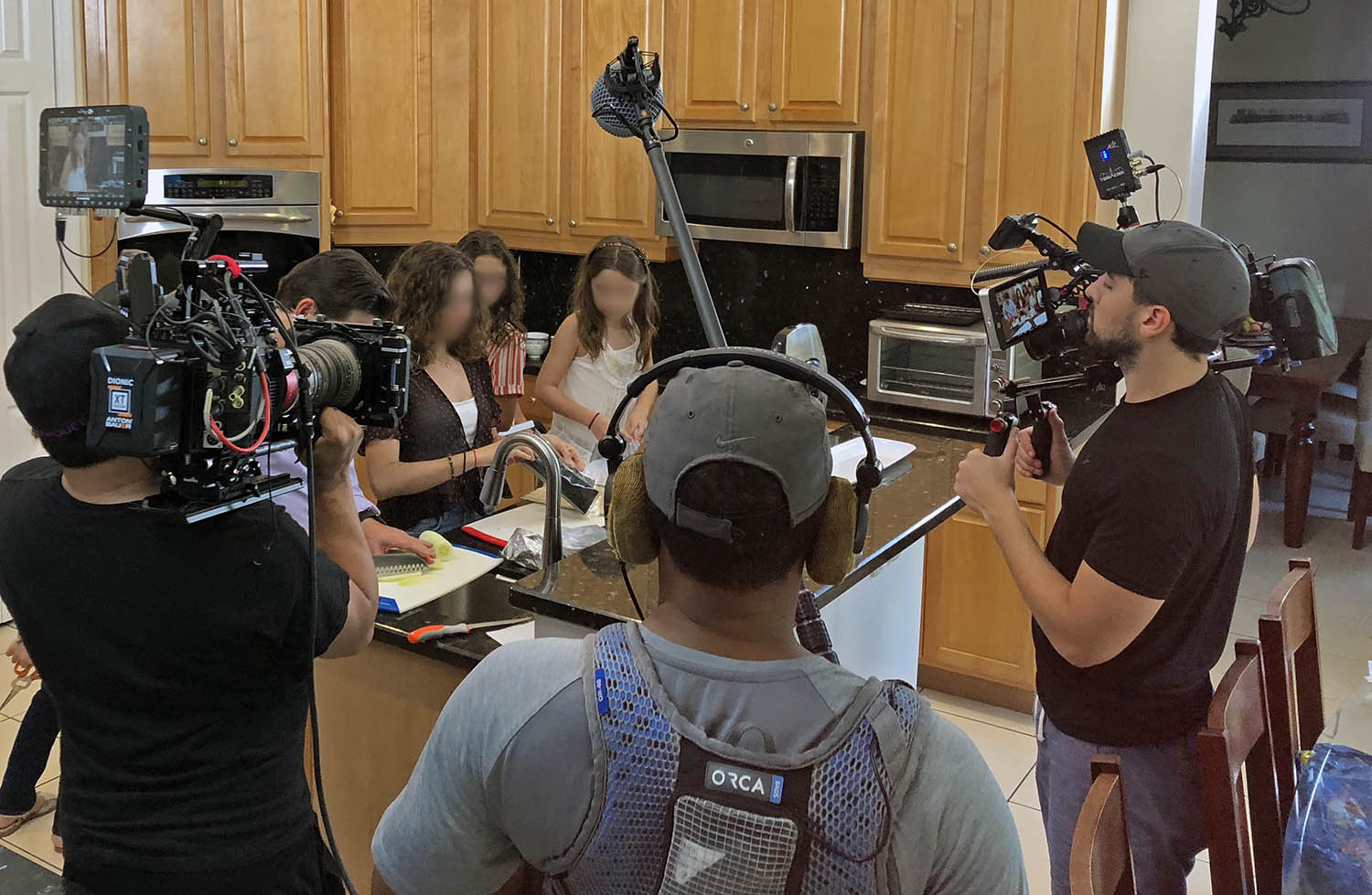
I plan supporting footage around the content. A wide shot can establish where the work happens. A closer view can show the action, and a detail can explain something the wide shot misses. We need access to those activities and time to film them, not just a spare camera pointed around the room.
The format affects coverage, too. The hospital broadcast special needed family interviews, physician interviews and studio material to connect across a longer program. A short commercial needs pictures that communicate quickly. Both require choices about what the editor will need next.
When we are filming for another editor, I ask for their coverage requirements before the shoot. When n2 is editing, I plan with the finished sequence in mind. Matching pictures, clear dialogue and readable graphics are easier to achieve when the necessary material is there.
Bring us the brief and the production constraints
Send the approved script or interview topics, the required versions, and what you know about locations and talent availability. Include your schedule and working budget. I can then discuss the crew, preparation and coverage your commercial production needs.