By Neil Nuñez · Director & Producer
When you hire a production company, you should know what happens between the first conversation and the finished video. What do you need to supply? What gets approved before the shoot? And when you see an edit, what are you actually being asked to review?
Those questions matter. A script approved before filming gives the crew something specific to shoot. A new message introduced after filming can mean rewriting, re-editing or going back out with a camera. Both are possible, but they are very different jobs.
At n2 Productions, some clients bring an approved script and agency creative. Others need help figuring out what the video should say and how to show it. The starting point changes the scope. The process should make that scope clear to everyone involved.
In this guide
The three stages of the video production process
Video production takes a project from an idea through planning, filming, editing and delivery. The work falls into three main stages:
- Pre-production: decide what to make, how to make it, what it will cost and what needs to be ready.
- Production: record the performances, action, interviews, images and sound the edit will need.
- Post-production: assemble and refine the footage, add the required sound and graphics, finish the picture and deliver the approved versions.
Client approval runs through all three. It should happen at points where the feedback can still be acted on efficiently.
Pre-production: make the important decisions before filming
Start with the assignment
“We need a video” is a starting point. We still need to know who will watch it, what they should understand and where it will run. A commercial with a fixed airtime, a product demonstration and an interview for a website call for different plans.
Bring the deadline, the budget range, the intended audience and any requirements you already know. Reference videos help, especially when you can explain what you like about them: the pacing, the humor, the photography or the way the information is presented.
Also tell us what already exists. An approved script, campaign artwork, brand guidelines, product footage or a library of usable images may change what needs to be produced. Confirm who can approve the creative and who needs to review claims, names and other details.
Working with an approved creative concept
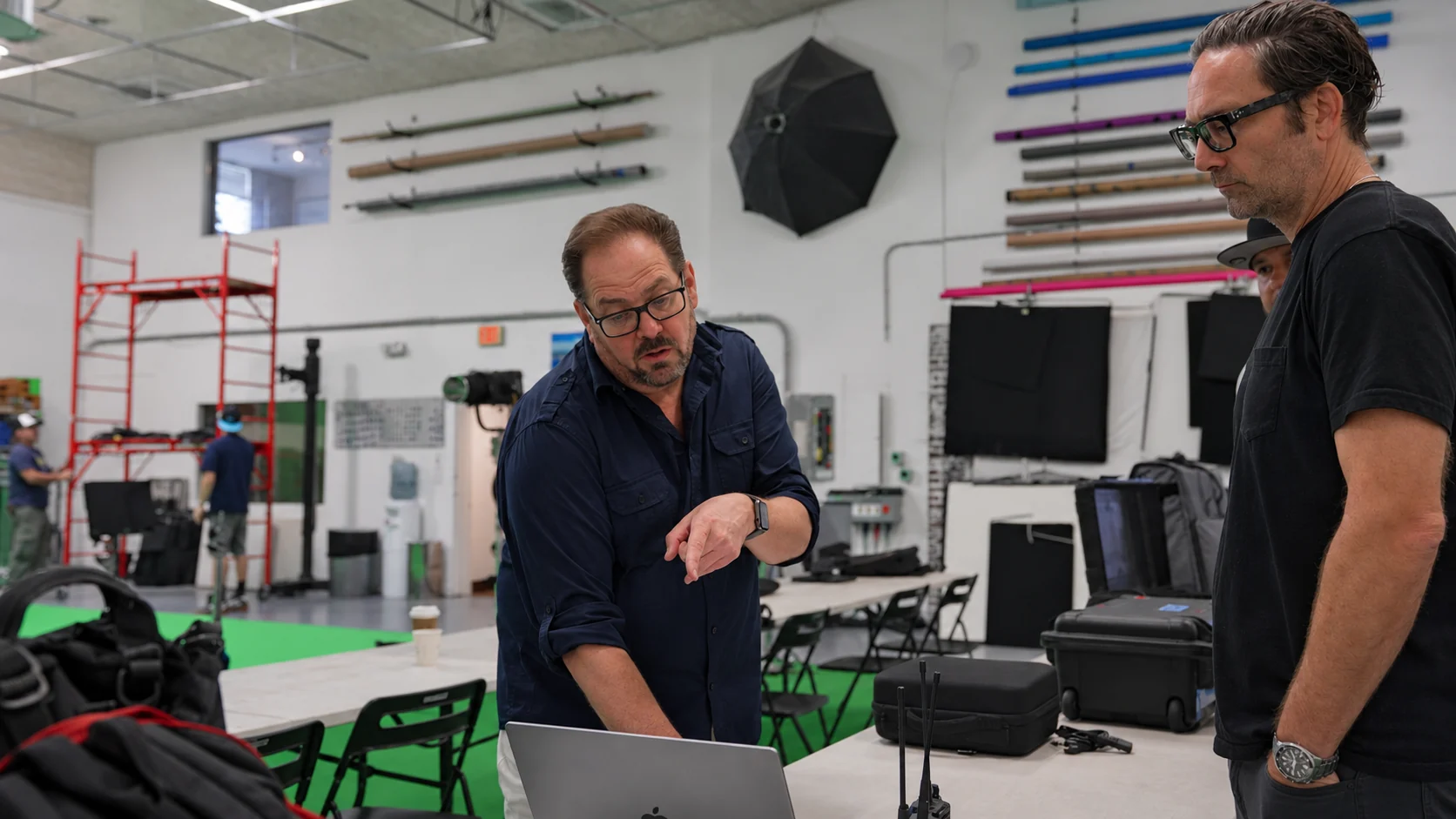
When an agency brings us an approved campaign, our job is to understand and execute that concept. We ask which details must stay, where there is room to adjust and what the production needs to make it work. Suggestions about crew, locations or the way we shoot should support the approved idea.
In this video, I explain how we approach that relationship and why those conversations belong early in the production process.
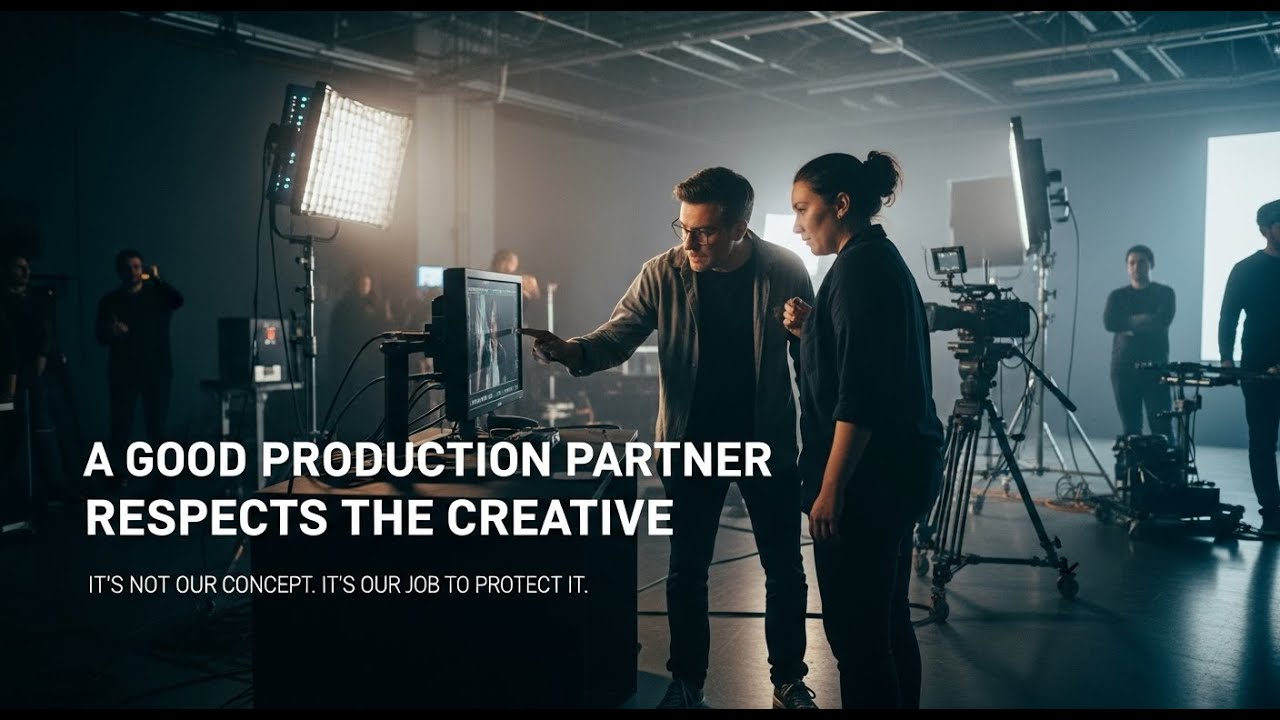
A Good Production Partner Respects the Creative · Neil Nuñez, n2 Productions. Watch on YouTube.
Define the deliverables before estimating the shoot
A single video can turn into several deliverables: different lengths, languages, aspect ratios, captions and end cards. List them before production. If a campaign needs both a horizontal commercial and a vertical version, we need to consider that when framing and planning the action.
The estimate should identify the work included: creative development, shoot days, crew, equipment, locations, talent, editing, graphics and finishing, as applicable. Confirm how revisions and changes in scope will be handled. Agree on the use of the footage and whether source footage or project files are part of the delivery.
If the budget and the concept do not fit, adjust the plan while it is still on paper. Fewer locations, a simpler scene or a more focused message can be a better choice than trying to squeeze the same production into less time.
Approve a script that works at the intended length
Read the script out loud. Leave room for someone to act, for the viewer to understand the image and for any required end card. A page that reads well silently can still be too long for a thirty-second spot.
For a planned commercial, storyboards help establish the shots and sequence. An animatic puts those images on a timeline, often with temporary voice and sound, so we can check whether the idea fits before filming. For an interview, the preparation may be an outline, questions and a list of supporting footage instead of a word-for-word script.
We cover that planning in more detail in our guide to scripting and storyboarding. The client’s job at this stage is to confirm the message and required information, not wait until the edit to decide what the video is about.
In this video, I explain how we use an animatic to check the visuals, voice-over and timing before the shoot.
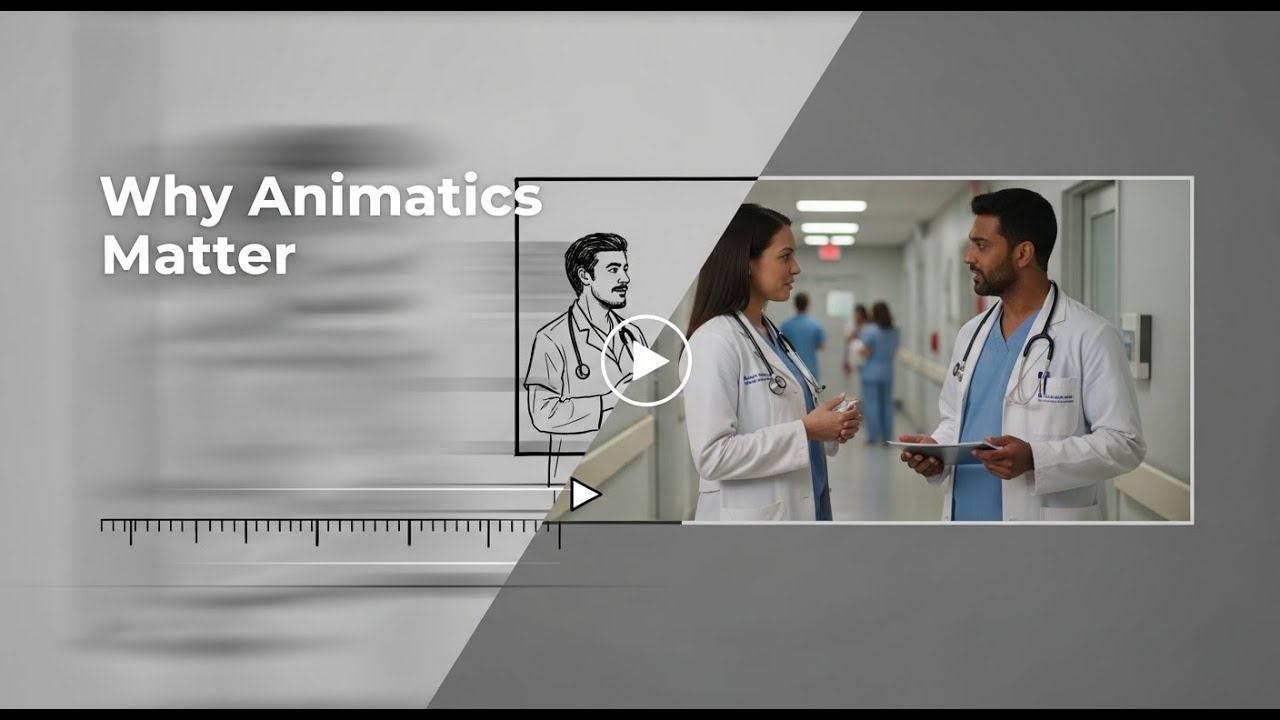
Turning storyboards into an animatic to test the timing before filming. Watch on YouTube.
Check the location as a working space
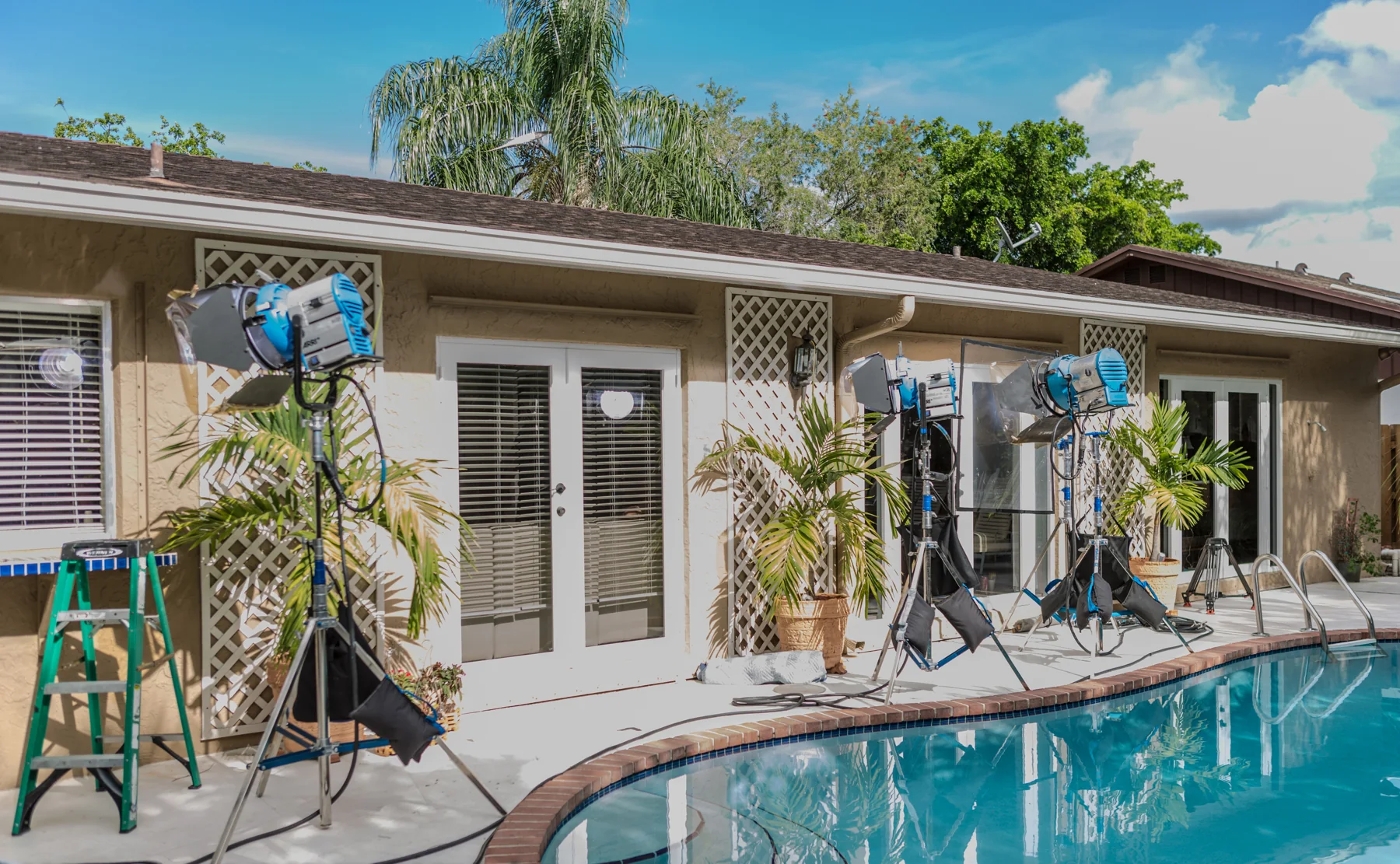
A location can look right and still be difficult to film in. We need to consider sound, light, power, access, parking, equipment space and how much control we have over the room. If it is an active business, we also need to know when people will be working there and which areas must remain available.
A studio may be the better choice when the job needs a controlled environment or a built set. n2 does not own a studio; we work with studios in the area and choose a space for the production’s needs.
Confirm the people, materials and approvals
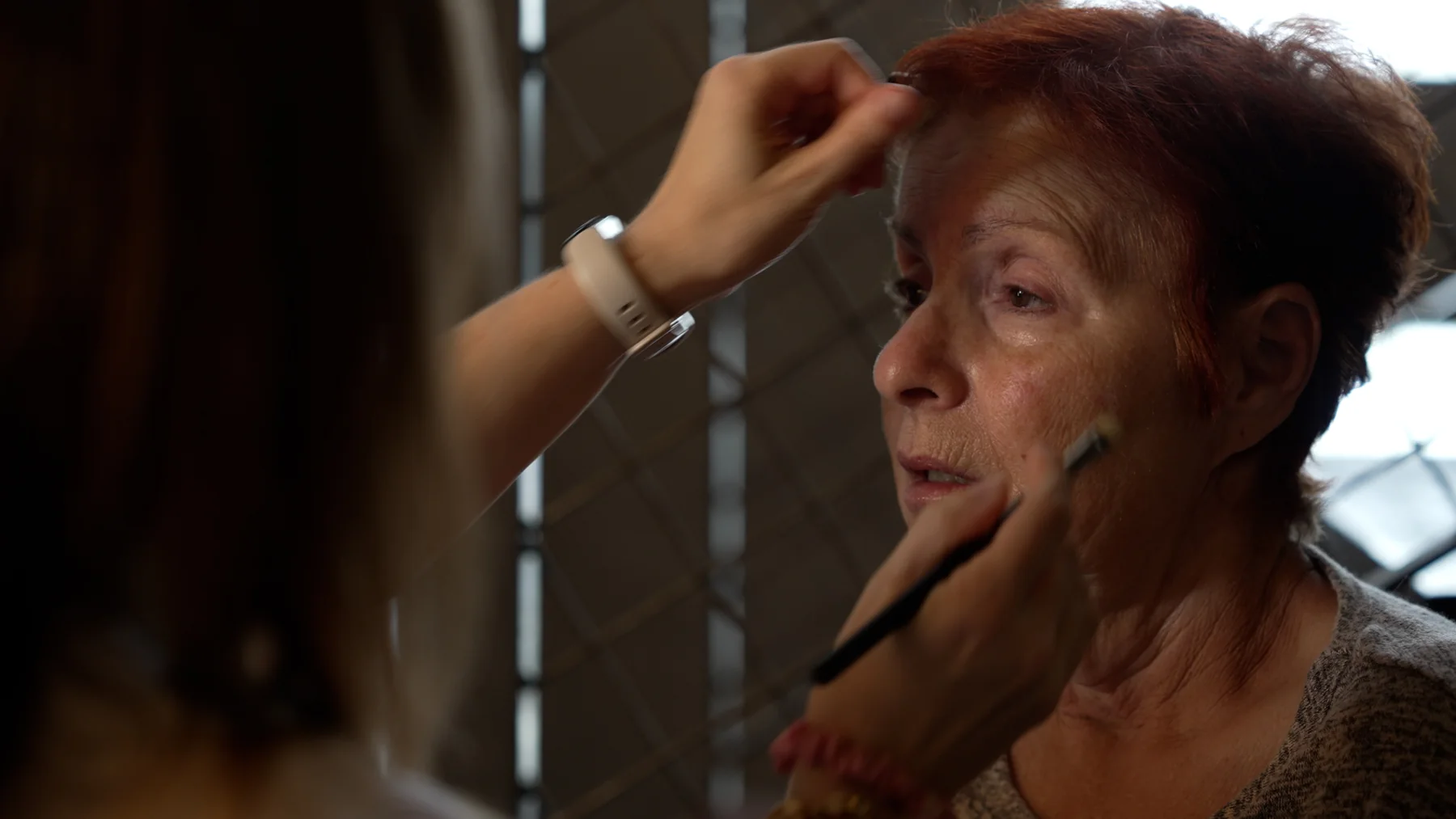
Before the shoot, the production plan needs to account for the cast or interview subjects, wardrobe, props, makeup, locations and schedule. The client should supply approved logos and other brand materials, check product details and identify anyone who must review the work.
The producer coordinates the job and its logistics. The director works on performances and the visual approach. The director of photography and camera, lighting and grip teams build and execute the shots. Sound, art, wardrobe and makeup have their own responsibilities where the job calls for them. The crew should match the work being planned.
Production: what happens on the shoot day
The schedule includes the work between takes
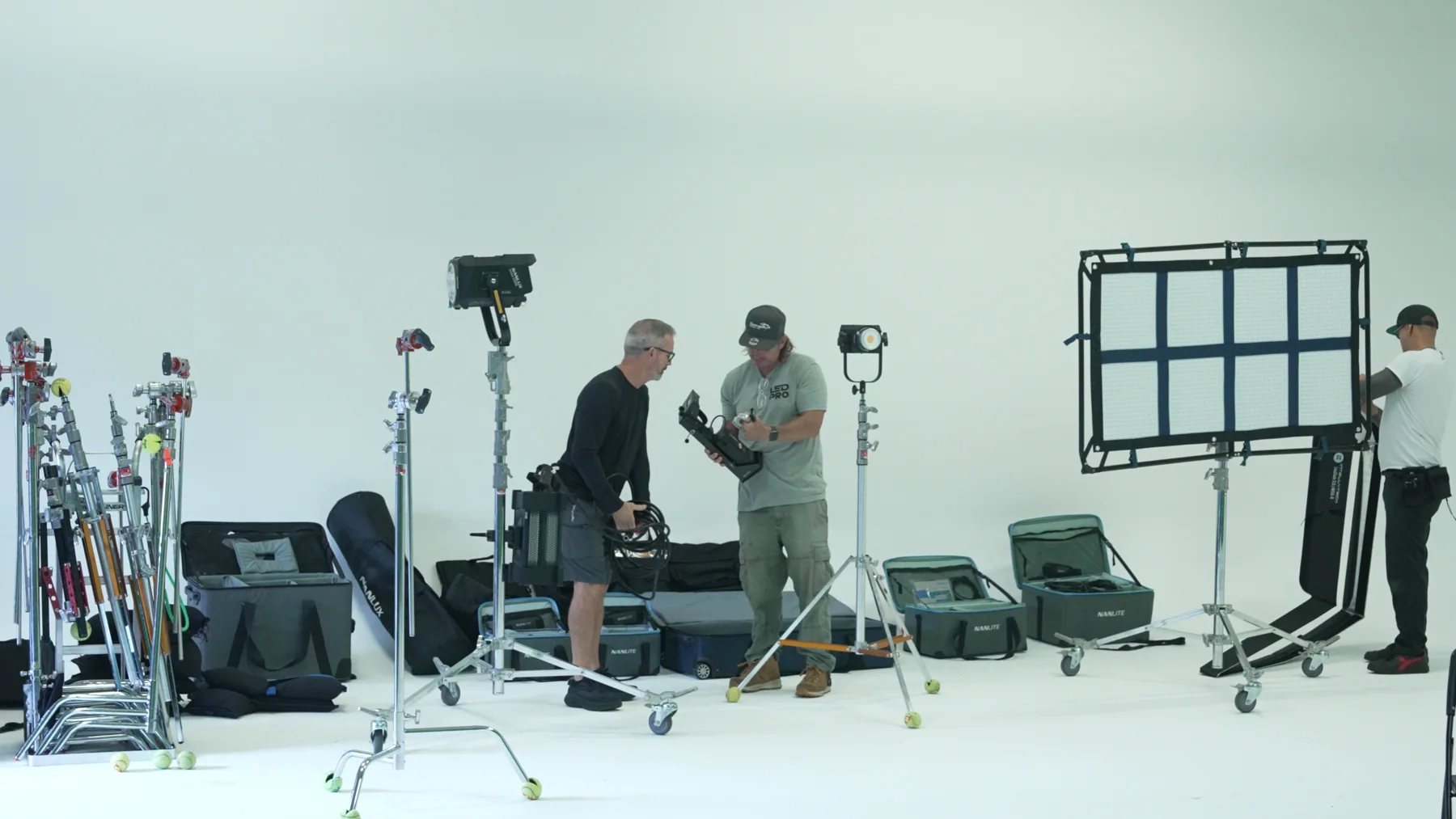
A shoot day includes loading in, setting up, lighting, rehearsing, recording, changing setups and wrapping. The time the camera is rolling is only part of it. Moving to another room may require a different lighting setup, new sound checks and a change in where the crew can work.
Scenes are often filmed in the order that makes the best use of the location, light and people’s availability. That may be very different from the order in the finished video.
Give the crew the information they need
The crew does not need the client to choose lenses or place lights. It does need to know when a detail is wrong: the product is being used incorrectly, the wardrobe does not fit the brand, the language is inaccurate or something confidential is visible in the background.
Designate a client contact who can answer questions and approve changes. Several people can contribute, but conflicting instructions need to be resolved before they reach the cast and crew. Route notes through the agreed production contact so the team can act on a clear decision.
Review the shot while it can still be changed
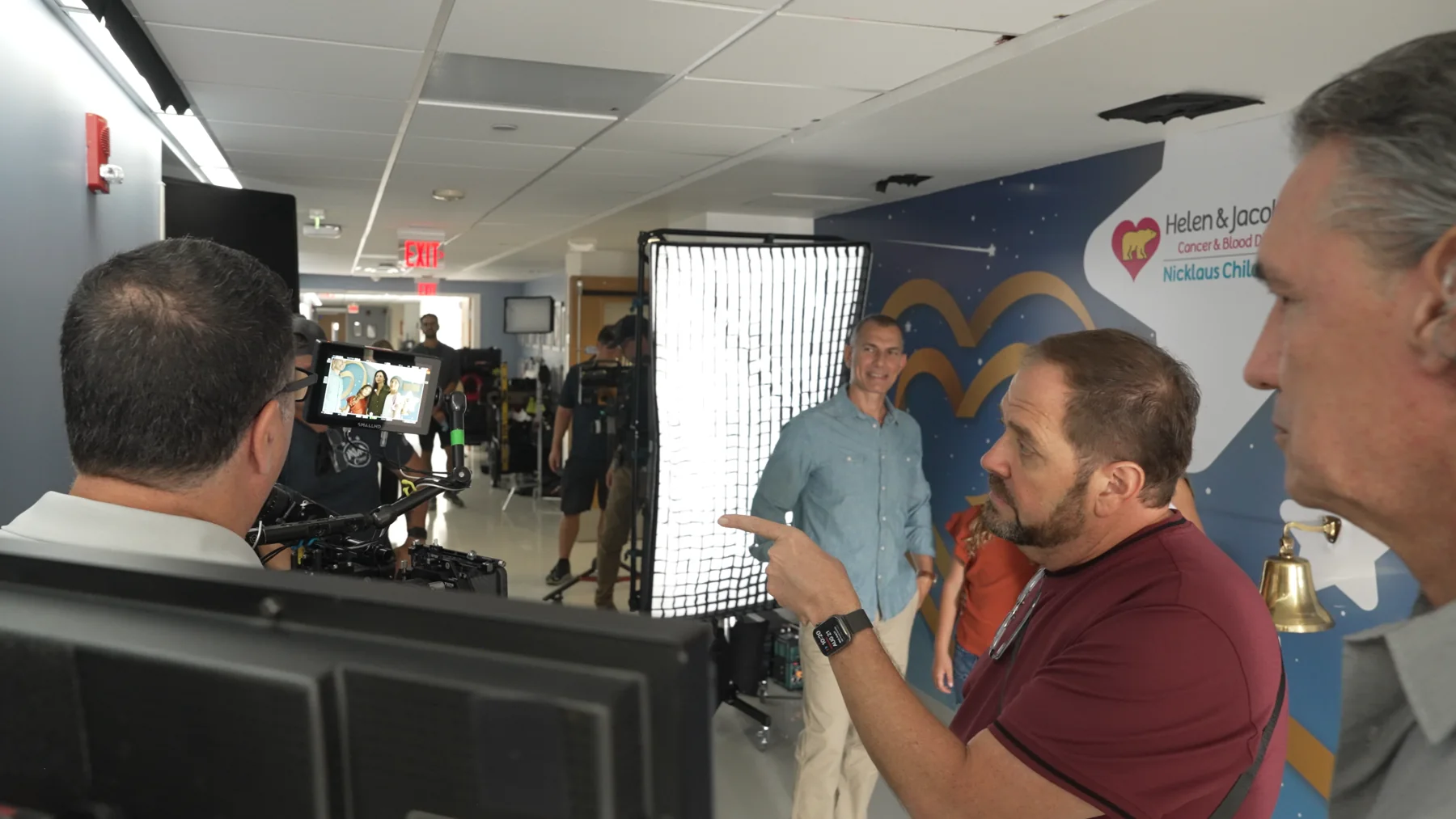
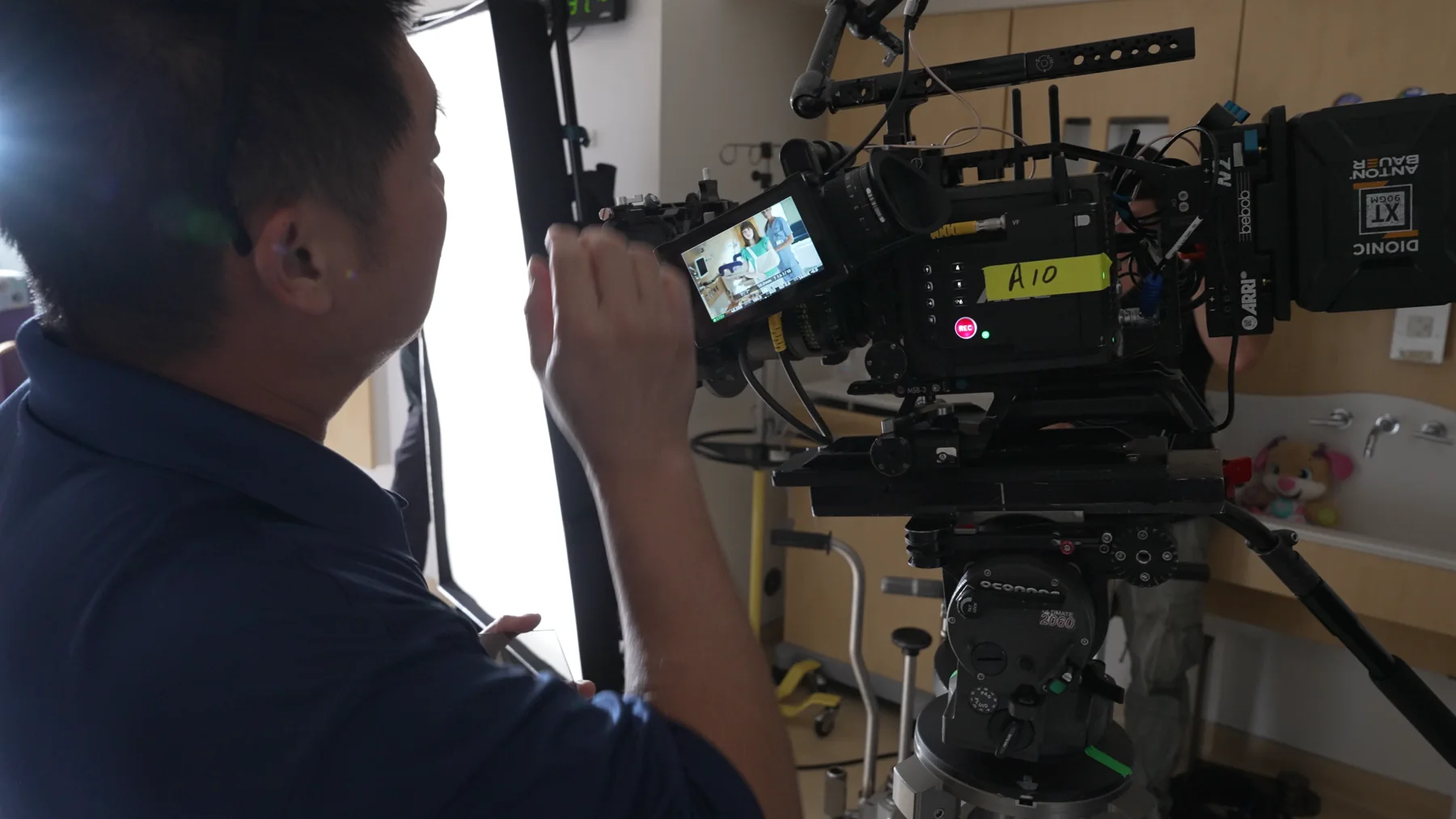
The production monitor lets the team see the actual composition. This is the time to flag an incorrect prop, a distracting background detail or a performance that misses the intended tone. Once the setup has been broken down, fixing the same issue may take much more work.
Some changes are straightforward. Others affect lighting, camera position, continuity or the schedule. If a new idea changes the plan, the producer needs to explain the time and cost implications before the crew commits to it.
Post-production: build the video, then finish it
The editor reviews and organizes the footage, selects takes and builds a sequence. In a scripted commercial, the approved script and boards guide that work. With interviews, more of the structure may emerge from the recorded answers and the supporting footage.
Understand what the first cut is showing you
An early cut may contain temporary music, a guide voice, unfinished graphics or color that has not been balanced. The review should identify those elements so you know what is still in progress.
Start with the message, structure and pacing. Does the video make sense to someone seeing it for the first time? Is the important information there? Is a performance convincing? Is anything being repeated without adding much?
Once the edit is approved, finishing can move forward. Color correction and grading bring the shots together and establish the look. The sound work cleans up and balances dialogue, music and effects. Titles, graphics and visual effects are completed for the agreed versions. These tasks can overlap, but substantial editorial changes late in the process can require finishing work to be redone.
Music also needs to fit the actual cut. A track that sounds good on its own may fight the voice or miss the timing of the scene. Our article on music in video production explains how that choice affects the edit.
Give feedback the editor can use
Have the people who need to approve the video review the same version. Then send one consolidated set of notes. That avoids an editor making one person’s change and later receiving the opposite instruction from someone else.
Use timecodes and explain the issue. “At 00:18, the product name is hard to read” is useful. “It needs more energy” needs another conversation: is the opening too slow, the performance too restrained or the music not working?
You do not have to prescribe the edit. Tell us what is not working and why, and we can suggest a way to address it. If the requested change introduces a new message, extra version or additional footage, clarify the scope before proceeding.
For final approval, check names, titles, spelling, pronunciations, graphics, captions, contact information, end cards and any required language. Review each deliverable. Approval of the main video does not automatically catch an error in a translated or shortened version.
How the process changes with the type of video
The three stages apply across many projects, but the work inside them changes:
- Commercials and campaign videos: plan around the approved message, performance, runtime and required versions.
- Corporate videos and testimonials: prepare the interview subjects and questions, check factual details and plan supporting footage that shows what people are discussing.
- Product demonstrations and training: verify the sequence of actions and make sure the viewer can see the details that matter.
- Events and documentaries: prepare access, coverage and sound carefully because important moments may happen only once.
- Animation and motion graphics: approve the script, visual direction and timing before committing to detailed animation.
A corporate video production process should still be built around the specific assignment. A CEO interview and a film showing a manufacturing operation may share an audience but need very different shoots.
Delivery: check the versions and the handoff
The delivery plan starts in pre-production, even though the files arrive at the end. Confirm where the videos will run, the required lengths and dimensions, languages, caption requirements and any broadcaster or platform specifications supplied for the campaign.
A vertical version may need a different composition and graphics placement from the horizontal cut. A shorter version may need a different opening or voiceover. Those are editing decisions, not just export settings.
Use clear filenames so the agency, client or media team can identify the approved version. Check picture, sound, captions and playback on the delivered files. Agree on who uploads or traffics them and who checks the published placement.
For website and social use, prepare a relevant thumbnail, title and description. For a paid campaign, coordinate the assets with the media plan. Views alone will not answer every business question; decide in advance whether you are looking for inquiries, completed views, sign-ups or another useful result.
Common questions about the video production process
How long does video production take?
There is no single reliable timeline. An interview using an available location and a straightforward edit is a different job from a campaign with casting, multiple locations and several versions. Build the schedule backward from delivery, allowing time for preparation, client review, revisions and finishing. Confirm that schedule before booking the shoot.
Can we make a good video on a limited budget?
Yes, when the idea fits the resources. Focus the message and choose a production approach that can be done properly within the budget. Be clear about what you can provide and what needs to be produced. Cutting essential preparation or sound work can create problems that cost more to fix later.
How do I choose a video production company?
Look at relevant work, ask what the company actually handled and find out who would be responsible for your project. The proposal should explain the approach, scope, deliverables and review process. A portfolio alone does not tell you how the job will be managed.
How important is audio quality?
If the viewer cannot comfortably understand the person speaking, the picture will not solve that problem. Sound needs attention when choosing the location, during recording and in the final mix. It should be part of the plan from the beginning.
What if the first cut does not feel right?
Discuss it against the agreed brief. Identify what feels wrong about the message, sequence, performance or pacing, and distinguish that from unfinished color, graphics or sound. Clear notes give the editor something to work with. A change to the underlying concept may need a revised scope.
Bring the brief, the deadline and the questions
You do not need to arrive with every production decision made. You do need a clear conversation about the assignment, the audience, the budget and what must be delivered. From there, we can work out the creative and the practical plan.
Talk with n2 Productions about your project. Tell us what you have, what you need and when it needs to be ready.